4 weeks, Saturdays, April 4th, 11th, 18th and 25th 12:30pm-3pm
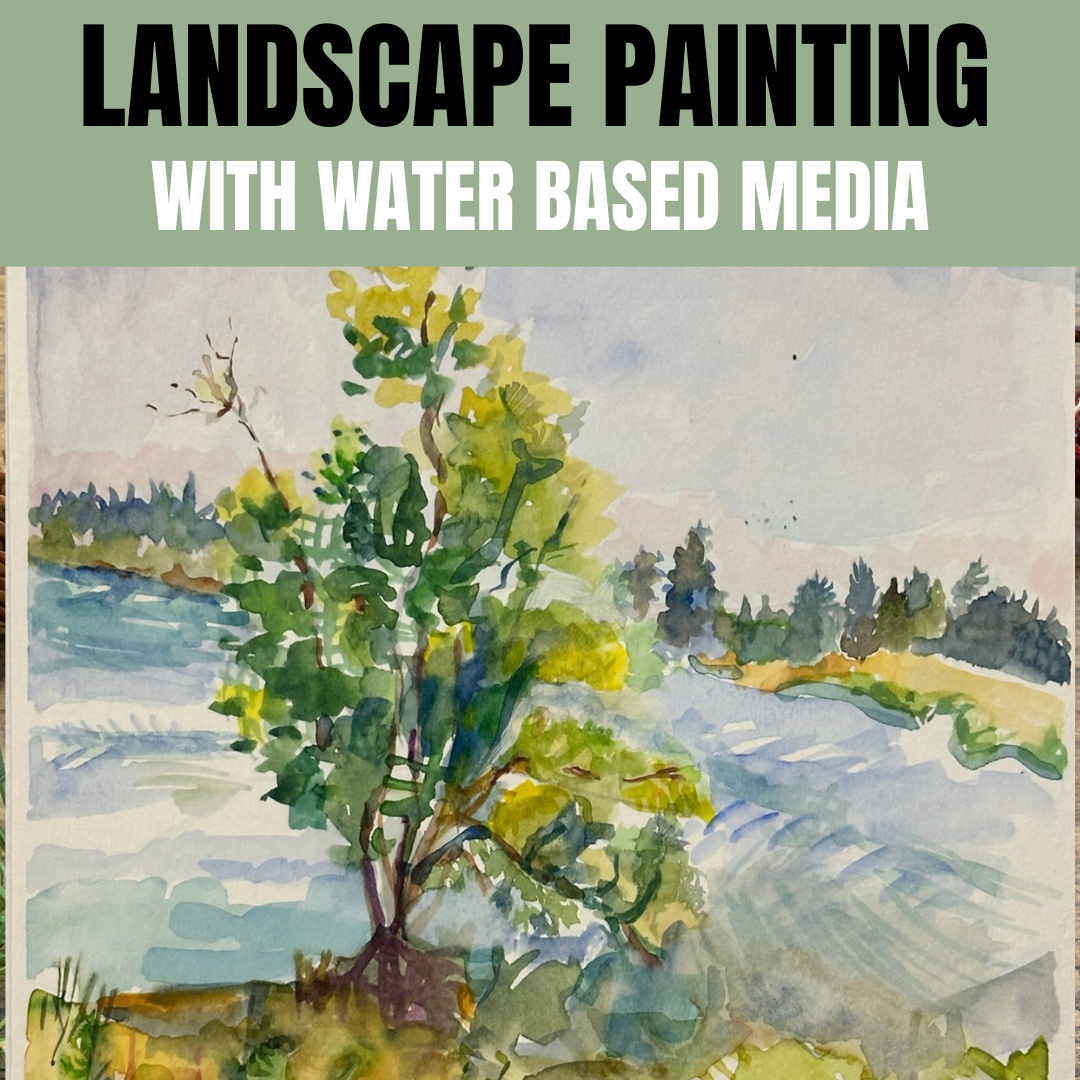
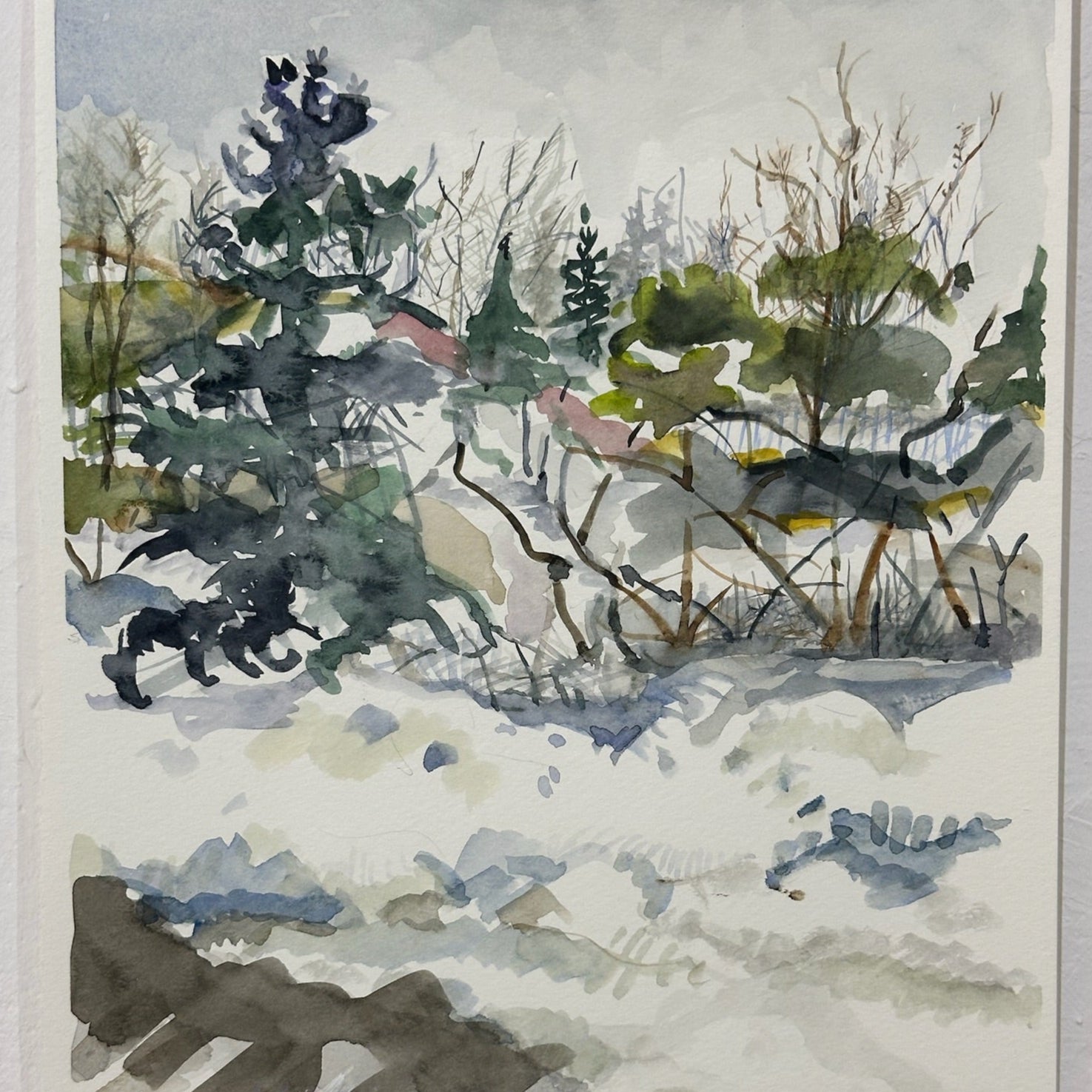
In this course students will learn how to create artistic representations of natural environments as mountains, forests, waters, fields, coastlines and sunsets. Landscape painting can be created using a variety of water based mediums: acrylic, watercolour and gouache.
Although the realistic representation of the natural world will be the main approach, exploring landscape through illusion is not excluded. The course will cover all what is needed to create expressive and dynamic paintings: basic techniques, colour mixing, tonal values, elements of composition, effects of atmospheric perspective, the ways to simplify the shapes and forms and effective editing of photographic references.
Throughout the course there will be plenty of short demos, usually at the beginning of the class. The course is intended for beginners and intermediates. Just bring your supplies, your passion to painting and whatever experience you have and you will grow as an artist through expanding your observational and artistic skills.
Students can choose to work in acrylic, gouache or watercolour
List of Materials:
Reference material: A selection of landscape photographs (good light conditions), canvases 11 x 14 or bigger, acrylic or watercolor paper 10x 14 or similar to it.
Paints for all painters:
Titanium White (acrylic only), Zinc White or just white for gouache and watercolour) Lemon Yellow, Cadmium Yellow Medium, Yellow Ochre, Cadmium Red Medium, Alizarin Crimson, Phthalo Blue (green shade), Ultramarine Blue, Viridian Green, Sap Green or Chromium Oxide Green, Burnt Sienna, Burnt Umber, Ivory Black, optional: Payne’s Grey
Brushes: minimum 6 brushes: # 2 round # 4 filbert # 4 bright, #4 flat, # 6 filbert # 8 bright all nylon synthetic
Plastic palette or large sized palette paper, plastic palette knife to mix colours, paper towel, pencil HB, 2B, conte or charcoal to outline.